Washington Park Bridges Replacement
Milwaukee, WI, USA
Bridge revitalization for an important community hub
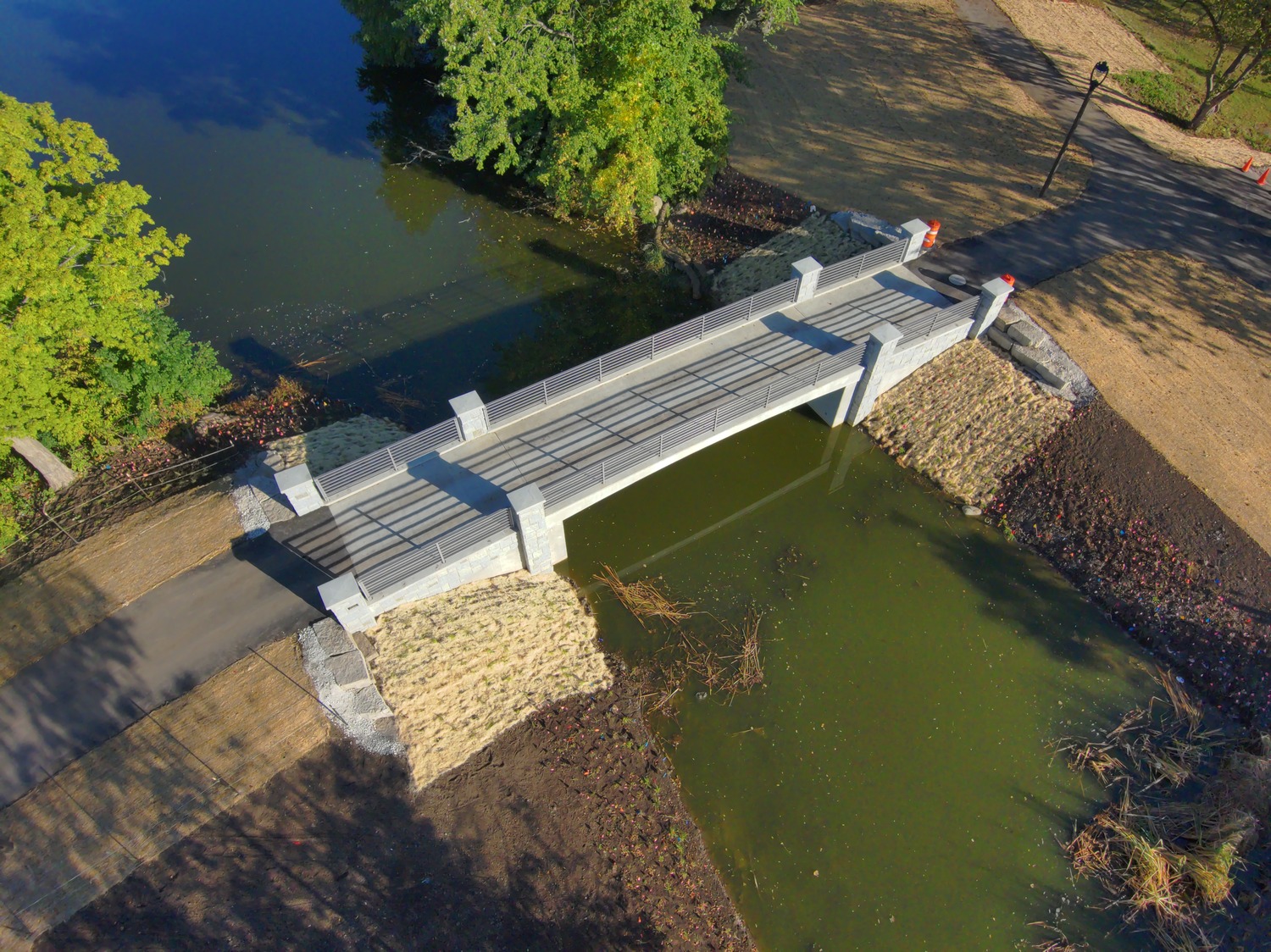
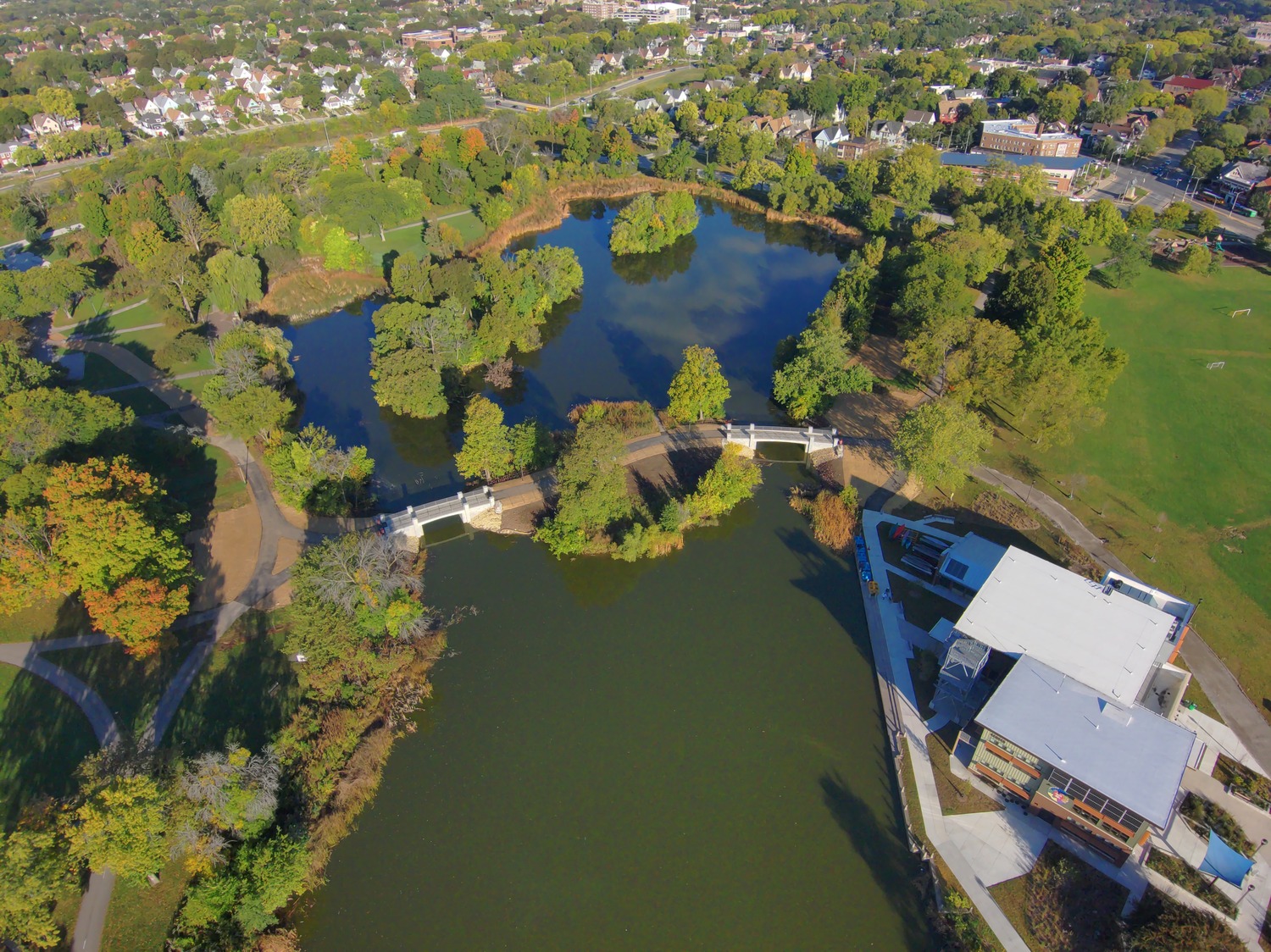
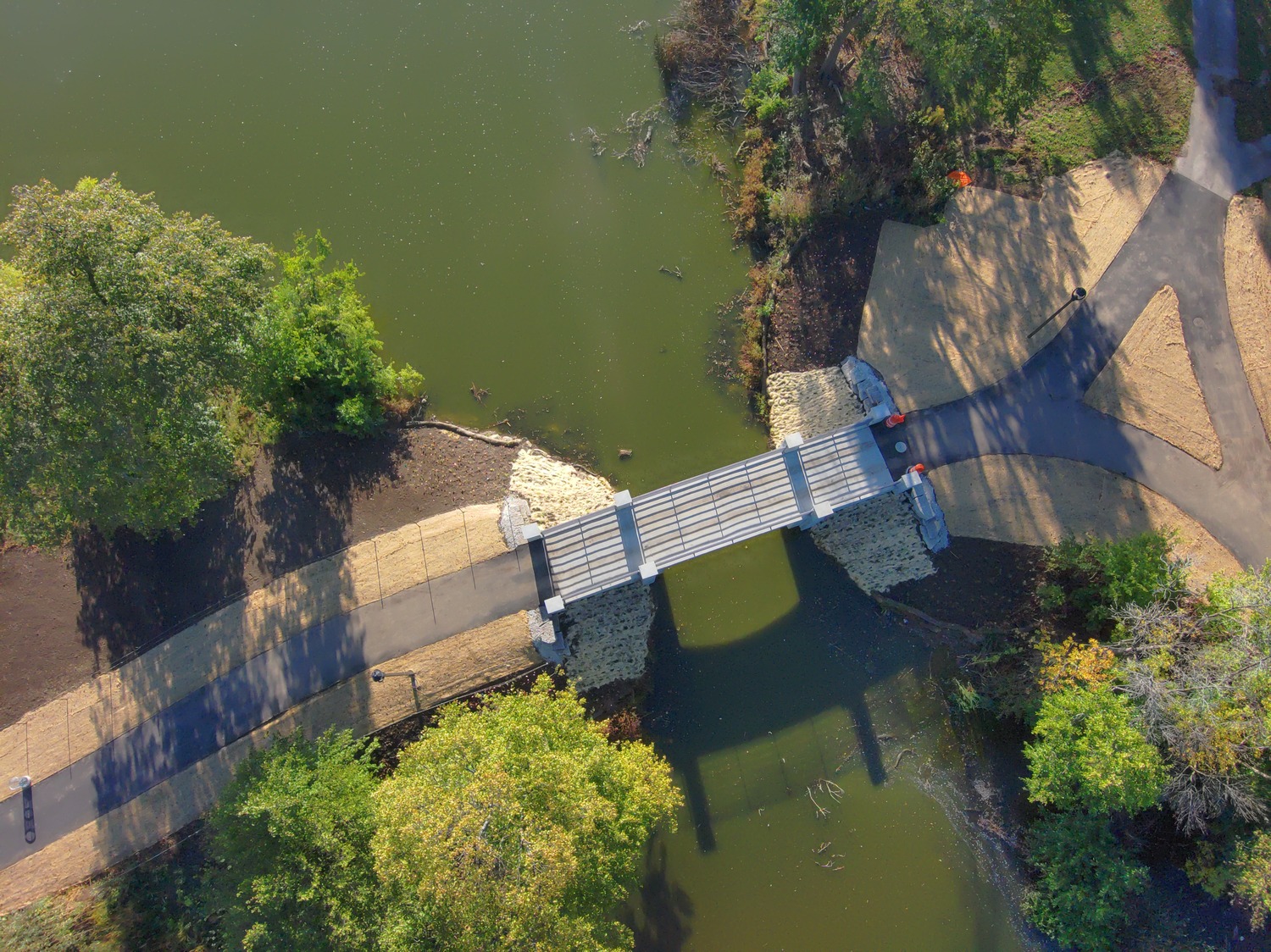
The Washington Park Bridges Replacement Project replaced two structurally deficient pedestrian bridges and revitalized the bridges’ approaches and surroundings in Milwaukee’s historic Washington Park.
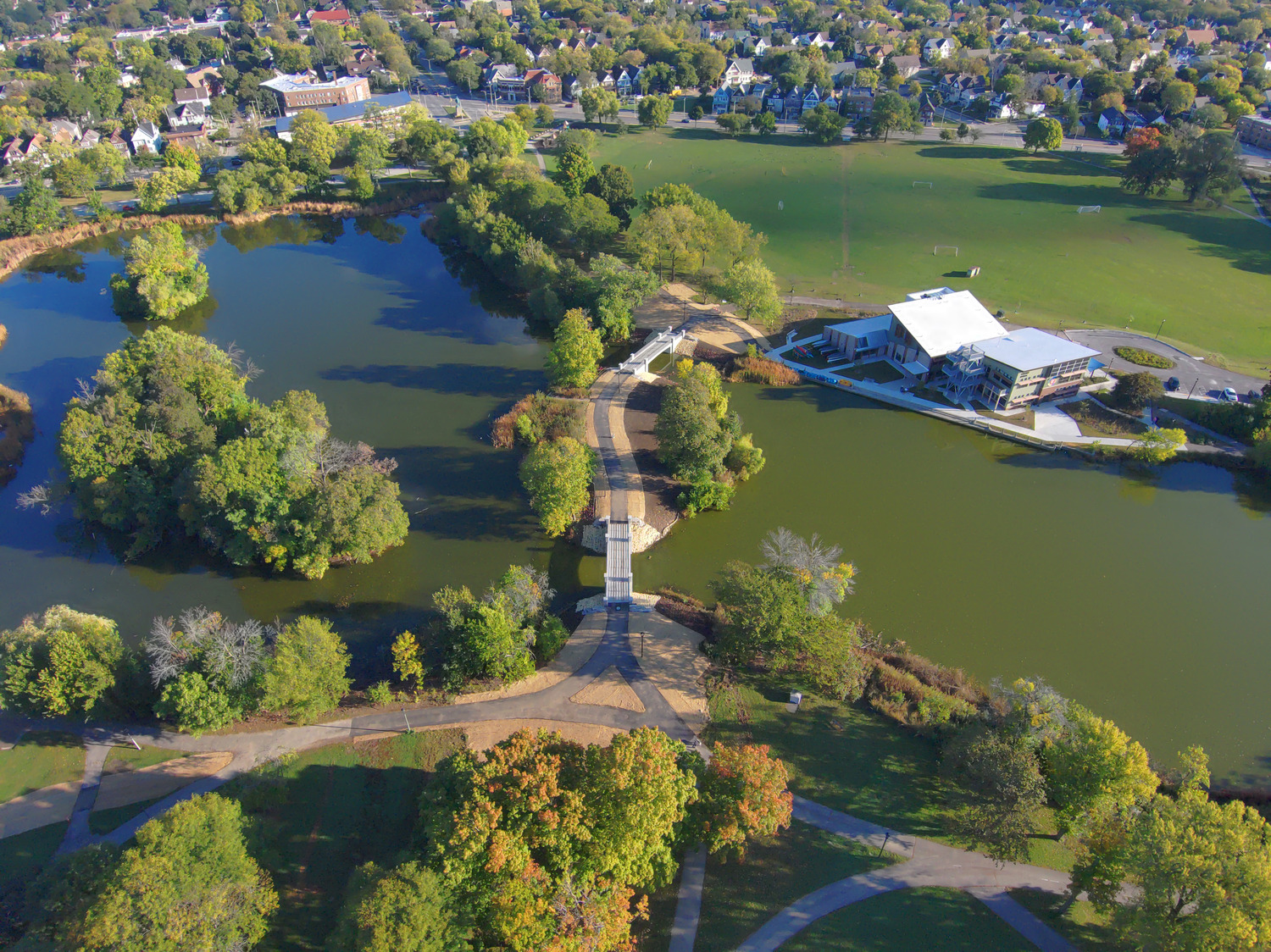
Washington Park is located on the west side of the city of Milwaukee – approximately 3-4 miles from downtown. It is surrounded by residential neighborhoods that developed in the late 19th and early 20th centuries. In 1891, Frederic Law Olmstead, a preeminent landscape architect, developed the initial plans for the 124.5-acre park. The design is in the shape of a “b” with his signature features of rolling topography, groves of trees, planned vistas and a water feature.
The original bridges, built in 1938, had deteriorated beyond repair, had inadequate load ratings, and did not meet current ADA standards. EXP worked with the client, Milwaukee County Parks, to provide an engineered structure to reflect their aesthetic vison for the bridges.
EXP’s design team inspected the existing bridges, evaluated their remaining service life and studied various bridge rehabilitation and reconstruction options prior to making a recommendation for replacing the bridges.
Design of the new bridges
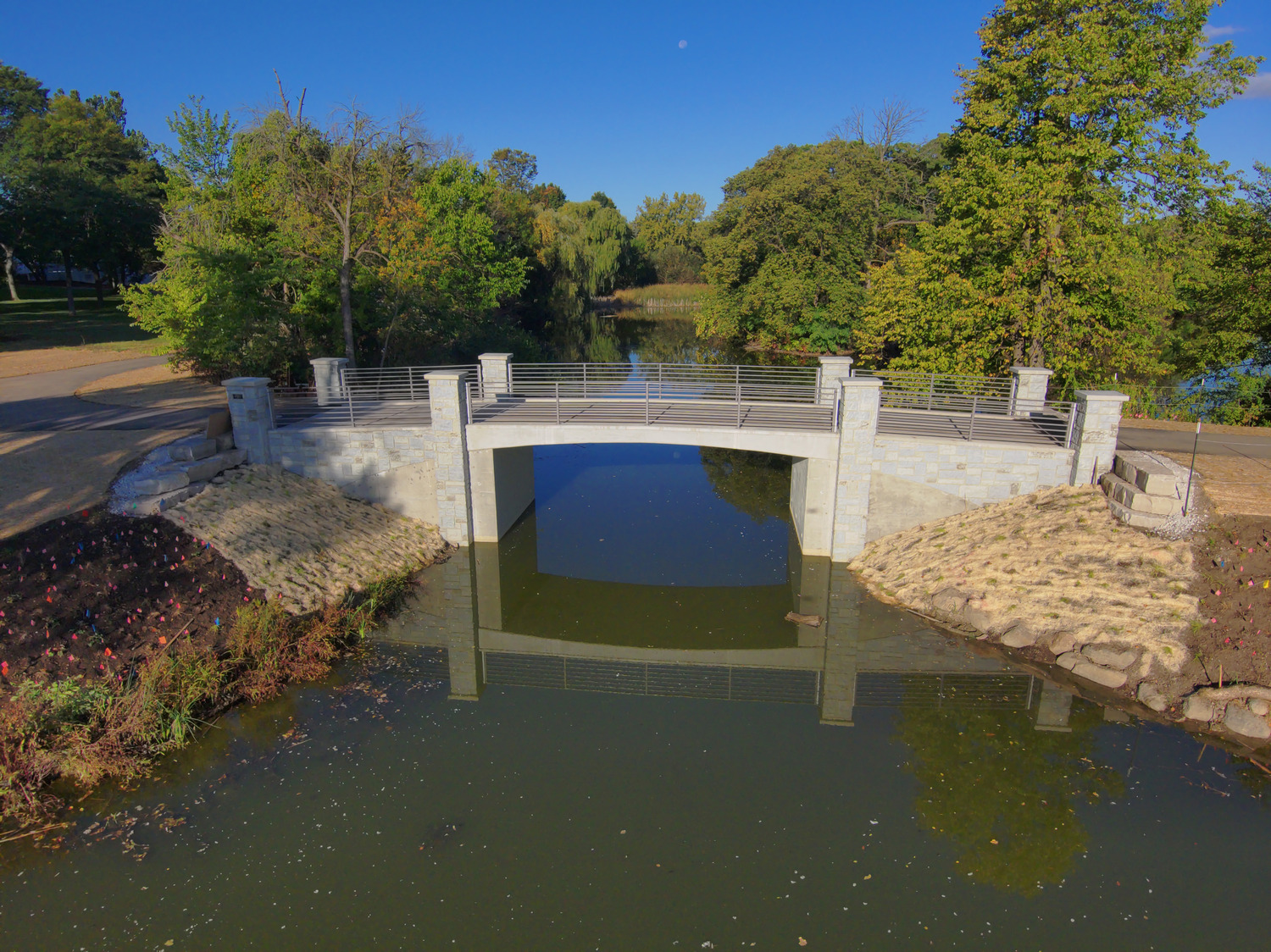
The selected bridge type reflects the form and function of the original bridges, which were common during the early 20th century, especially in the public parks and scenic settings such as Washington Park.
The concrete rigid frame structural system of these bridges is unique since it integrated architectural and aesthetic elements within the structural systems itself. Analysis and design required computer based advanced structural analysis methods in lieu of time-consuming classical analysis methods used in that era.
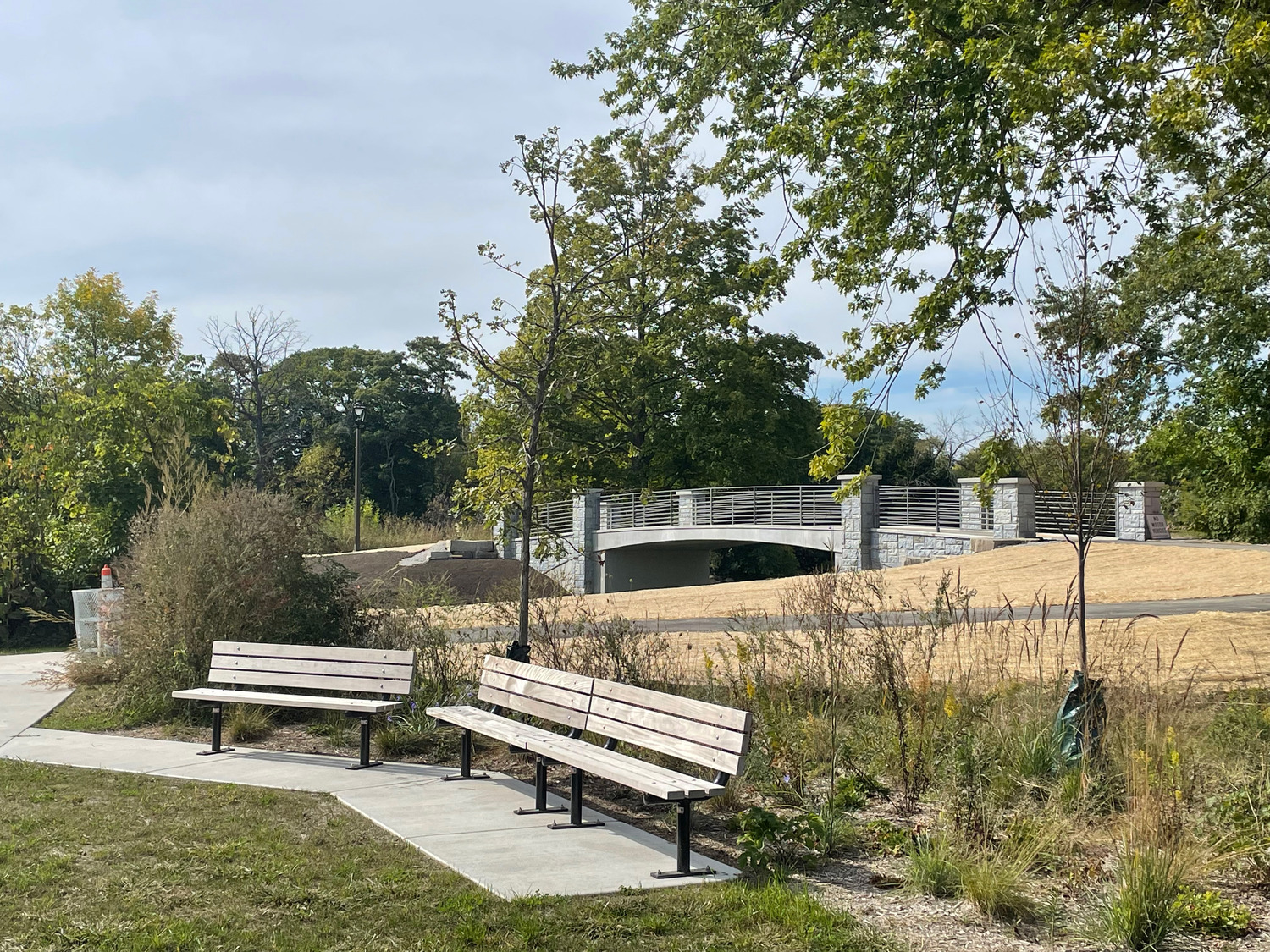
The bridges were designed to accommodate full-sized maintenance trucks, integrate ADA-compliant pathways and railings, and maintain clearance for seasonal recreational activities like boating and ice skating. Ancillary improvements included pathway reconstruction, lighting upgrades and vegetation management to restore sightlines and improve visibility.
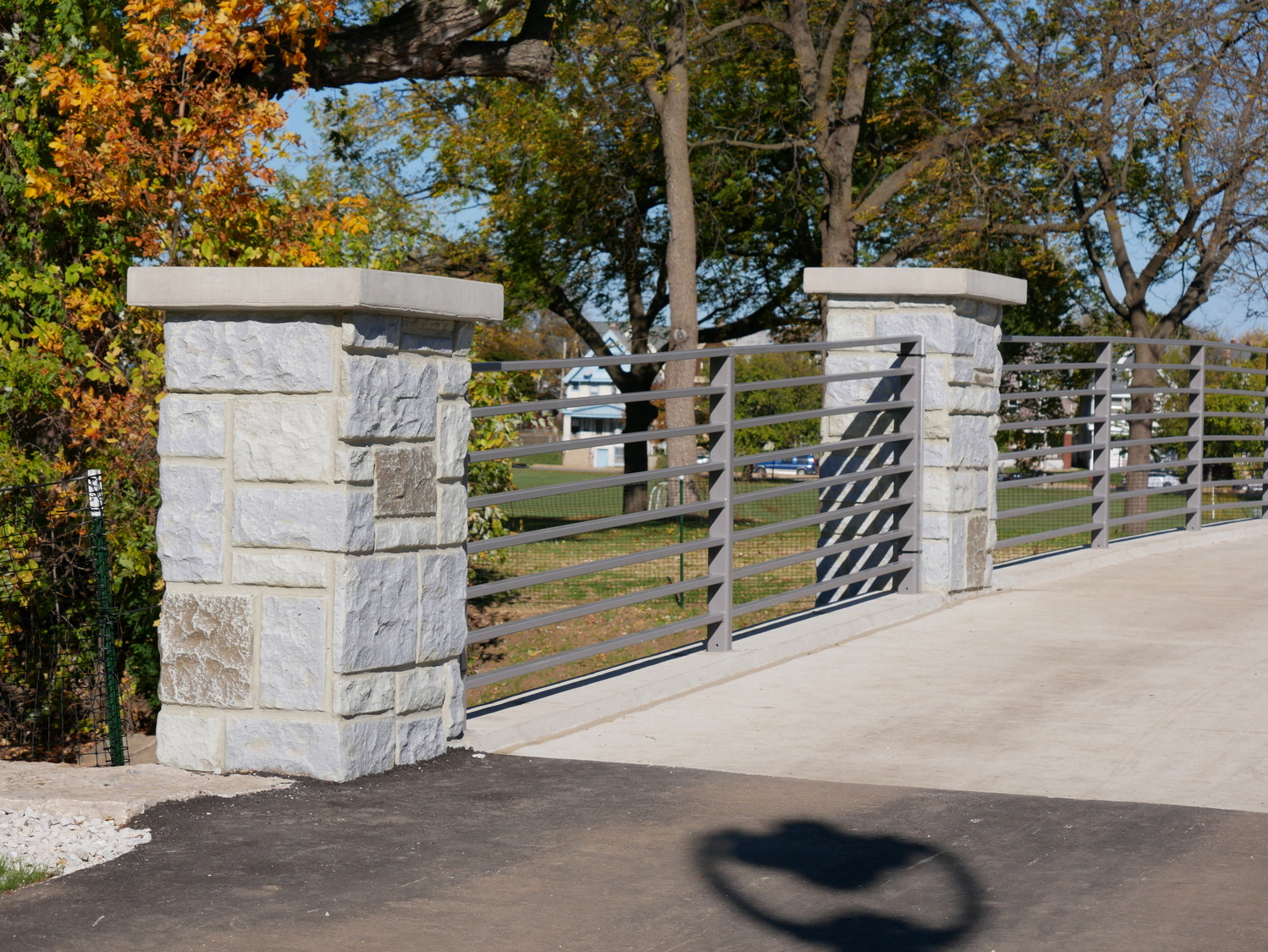
The bridges feature a form-liner treatment on visible elements to resemble stone masonry façade and reflect the aesthetics and historic nature of the original bridges. All design and details were carefully vetted for structural stability, constructability, durability, maintainability and economic feasibility.
The project’s complexity stemmed from its multifaceted goals: reflecting historical character, enhancing public safety, improving accessibility and supporting park operations. There were no available guidelines or standard details to use during the design and development of construction documents.
EXP conducted extensive studies in coordination with the Milwaukee County Parks, Urban Ecology Center and public stakeholders to realize the vision of the client – to provide simple and elegant looking bridges that honored the park’s legacy while meeting engineering, accessibility and operational needs.
Sustainable bridge design
Beyond infrastructure, the project serves as a model of sustainable and socially responsive design. The bridges are expected to last 100 years, offering significant economic value over time.
Native landscaping and coordination with ecological education initiatives reinforce the park’s role as a community hub. By blending engineering innovation with cultural sensitivity and public engagement, the Washington Park Bridge Replacement project exemplifies how infrastructure can enhance quality of life while preserving the spirit of place.
Services
Bridge Design, Structural, Civil, Project Management