Picton Terminals Agriculture Marine Terminal
Picton, ON, Canada
Expanding agricultural shipping capacity at Picton Terminals
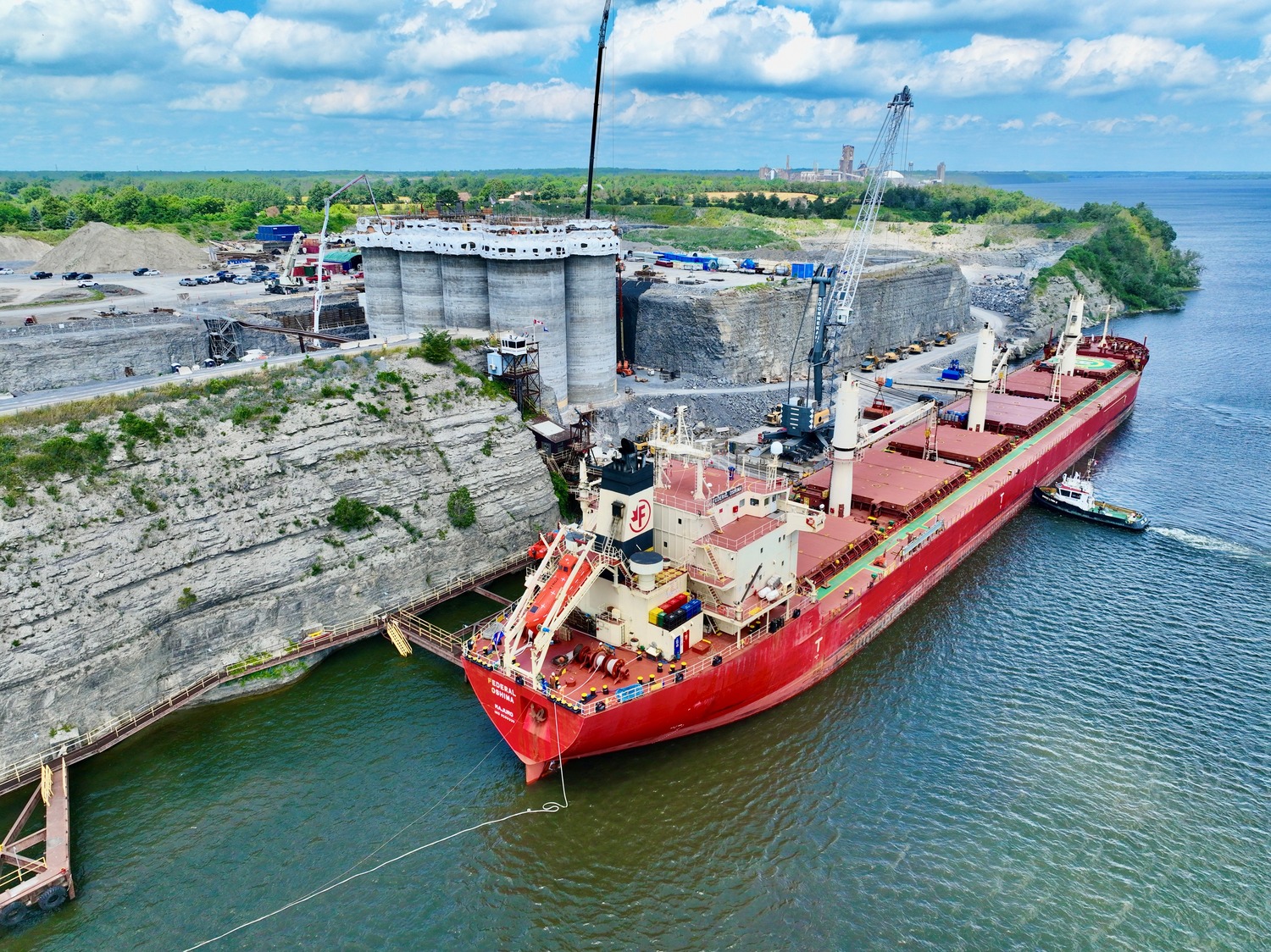
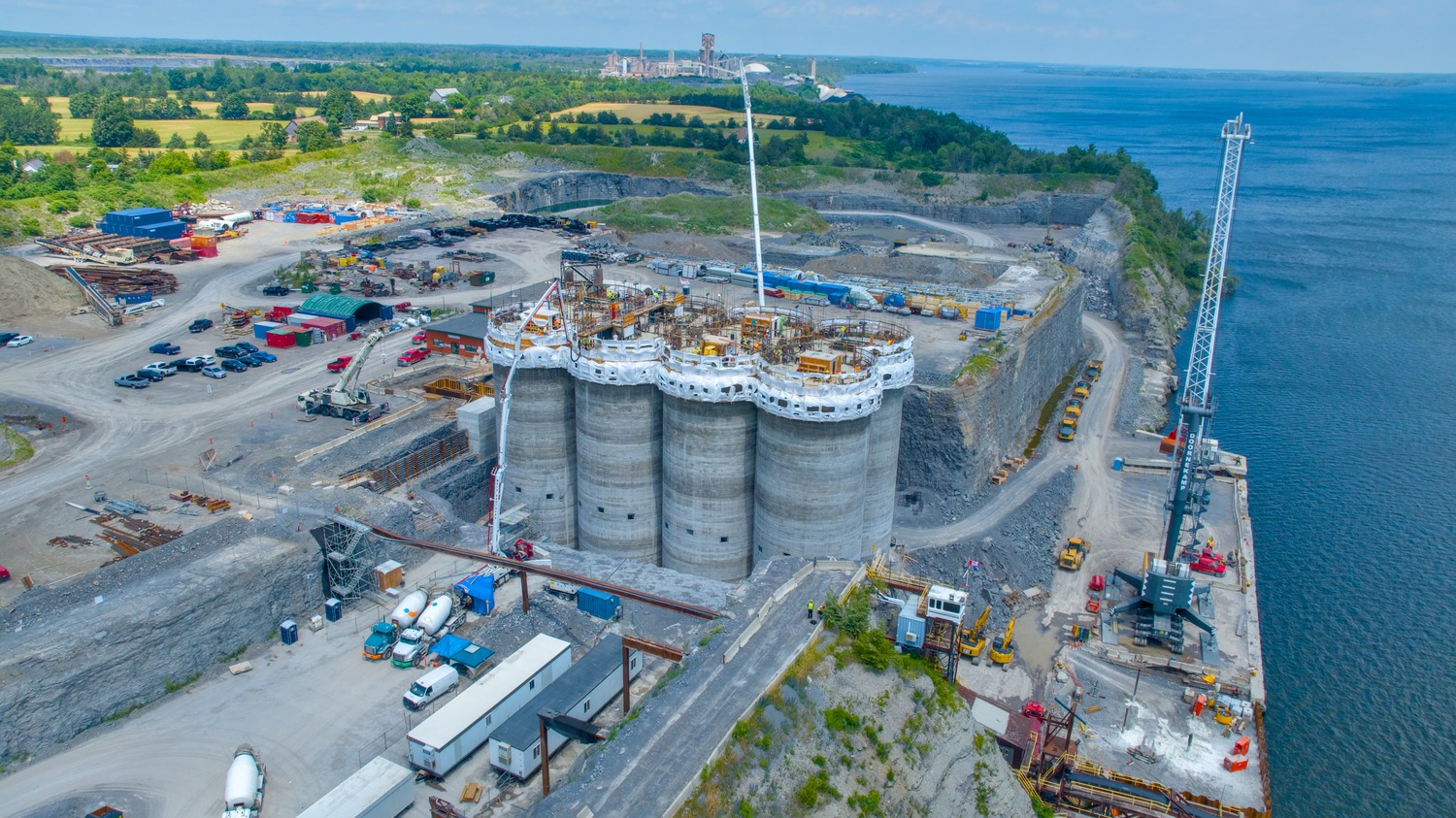
Innovative solutions brought eight new concrete grain silos to Picton Terminals – opening new possibilities to farmers in eastern Ontario.
To meet the growing agriculture demand throughout the region, eight 144-foot concrete grain silos were fully constructed at Picton Terminals in Ontario. EXP’s specialized geotechnical and materials testing solutions advanced the project through execution.
Located on a seven-acre site, the silos were built with an integrated ship-loader to reduce travel times for local farmers who face high shipping costs. The silos expand market reach for area farmers. With the ability to process 300,000 tons of grain annually, grain can be shipped further and more efficiently.
Blending innovative and efficient construction methods
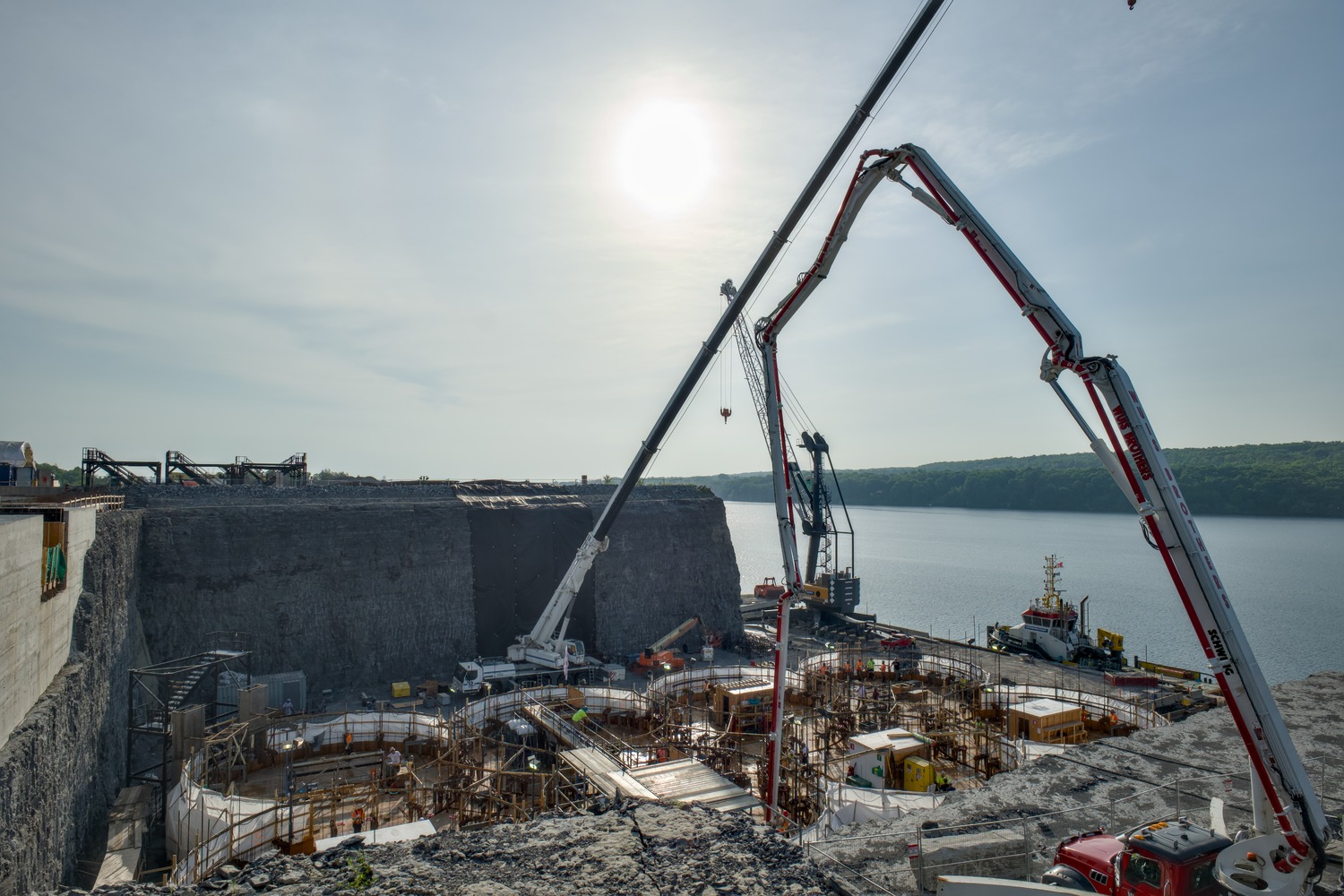
The silos were constructed using the unique slip form technique, where concrete is continuously pumped into a form. During the process, the form is constantly slipping and continuing to move upwards on freshly poured concrete, requiring the concrete to meet high strength standards.
This process was conducted over eight consecutive days, 24 hours a day, and required EXP staff to be present at the site and lab during the entire duration of the concrete pour.
Materials testing to meet durability and strength standards
Materials testing was crucial to the success of this project. The slip form method requires the concrete to meet strict durability and strength standards.
During the first four days of pouring, every truck of concrete delivered was quality tested for conformance and consistency of the delivered materials. Lab results were provided to the client in real-time, 24 hours a day.
A total of 235 cylinders were cased for testing throughout the eight days of the pouring process. By the end of the process, 3,262 cubic meters of concrete were poured as part of the vertical silo structure and over 600 cubic meters of concrete were poured in the silo foundation.
This approach is efficient and significantly reduces construction time compared to traditional methods. During the typical process, between five and eight feet of concrete are poured into the form at once, and each layer must cure before adding the next. If conventional methods were used, constructing the silos would have taken months to complete.
Services
Geotechnical, Materials Testing