By: Karine St-Germain, P.Eng., LEED BD+C AP, ENV SP, CMVP, Project Manager, Energy Transition | EXP
The acceleration of climate-related hazards is creating significant challenges for cities and municipalities. Extreme rainfall and flooding are testing stormwater systems and underground infrastructure, while heat waves disproportionately affect vulnerable populations and increase pressure on buildings and energy distribution networks.
To become more resilient against climate change, cities and municipalities must take a proactive approach and invest now. According to the Canadian Climate Institute, anticipatory adaptation of infrastructure, buildings and communities delivers strong economic benefits. Every dollar invested can save $13 to $15 in the long term by reducing damage and reconstruction costs. Prevention helps limit future damage and reduce climate-related costs. Cities and municipalities are seeking sustainable solutions based on a clear understanding of their risks. Some solutions are climate plans, climate change adaptation plans (CCAPs), greenhouse gas (GHG) inventories, and mitigation or adaptation measures, but their effectiveness depends on a coherent and informed approach.
Mitigation and adaptation: Clarifying approaches for better action
- Mitigation
In response to climate change, municipalities can invest in mitigation efforts, adaptation measures or both. These approaches respond to different goals.
Mitigation focuses on reducing GHG emissions by addressing emission sources or improving energy efficiency. Municipalities can target high-emission sectors using data analyzed by EXP. Road transportation, for example, is one of the largest sources of direct municipal GHG emissions. By leveraging data sources such as those provided by the Société de l’assurance automobile du Québec (SAAQ), EXP’s specialists can recommend tailored mitigation measures. These may include awareness campaigns promoting electric, hybrid or compact vehicles, developing intermunicipal cycling networks and promoting carpooling. Municipalities can also develop active and sustainable mobility plans to support cities and municipalities in transitioning toward public transit and active transportation.
The built environment is another major contributor to GHG emissions. Even buildings powered by electricity and that generate relatively low emissions may perform poorly from an energy-efficiency standpoint. To identify these buildings, municipalities must understand the energy consumption of each facility by energy source and evaluate GHG emissions per square metre. This analysis makes it possible to identify the highest-emitting buildings, raise awareness among property owners about the need for energy upgrades and inform them about available funding programs. EXP’s expertise enables clients not only to improve building performance through energy-efficiency measures, but also to support the transition away from fossil fuels toward renewable energy sources, as described by my colleague Patrick Belzile in his article on energy transition challenges and innovations.
Another significant source of emissions is organic waste management. Municipalities can implement mitigation measures such as capturing methane generated by organic materials and converting it into reusable energy rather than releasing it into the atmosphere.
- Adaptation
Climate adaptation focuses on proactively managing climate risks through data-driven analysis of hazards based on regional climate profiles. This approach helps identify potential risks, including flood frequency, heat indices, erosion levels, extreme precipitation and the vulnerability of infrastructure, populations and natural environments. Based on analyses conducted by EXP’s specialists, recommended actions may include:
- Preserving or restoring natural environments to improve rainwater absorption
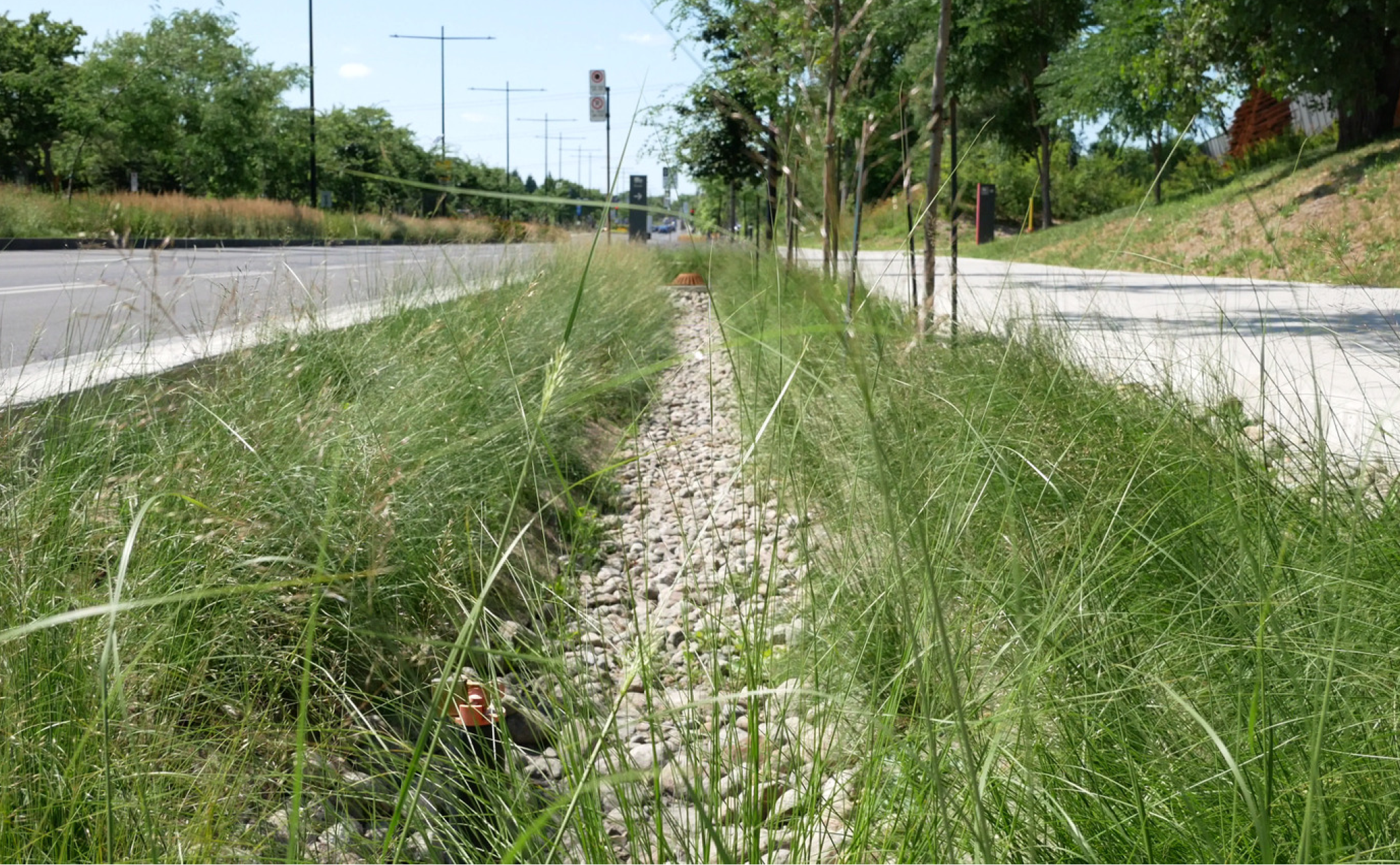
- Designing or upgrading more efficient and resilient stormwater systems
- Reducing urban heat island effects through targeted planning strategies, such as the Place des Fleurs-de-Macadam resilient park
- Raising public awareness about the impacts of extreme heat events
Once the appropriate approach has been identified, our team develops either a climate plan, a climate change adaptation plan (CCAP) or a GHG mitigation action plan. Climate plans incorporate both mitigation and adaptation measures, whereas CCAPs focus exclusively on adaptation. GHG mitigation action plans are dedicated solely to reducing emissions. The choice of tools depends primarily on a municipality’s objectives and its preferred framework for addressing climate change.
Collaboration: The key to a successful climate plan
Developing a climate plan is a structured, collaborative process involving multiple socioeconomic stakeholders. From the outset, participants work together to define objectives and identify potential challenges. Through discussions, stakeholders can highlight concerns and determine the type of plan best suited to the city or municipality. This decision is informed by key factors, such as the territory’s exposure to climate hazards based on its climate profile, the city or municipality’s internal capacity for mobilization and the availability, relevance and quality of existing data.
Developed through a collaborative and consultative approach, a climate plan includes:
- A territorial profile developed with municipal departments
- Characterization of past, present and future climate conditions based on scientific data gathered through technical workshops with municipal stakeholders
- Mapping of climate hazards and priority areas using municipal GIS systems and field observations
- Climate risk assessments conducted in collaboration with municipal managers to reflect operational realities, including public works, planning, emergency management and other municipal functions
Once this information has been collected, we complete a GHG emissions inventory, establish reduction targets and identify potential mitigation measures. Adaptation measures are then developed to strengthen resilience against identified climate risks. Within Quebec’s program to accelerate local climate transition (ALCT), climate transition support measures are recognized as essential collective and pivotal actions that contribute to the success of climate plans, even when their impacts cannot be directly quantified in terms of GHG reductions.
The success of this process relies on close collaboration between municipal teams and EXP specialists. The technical expertise of EXP’s sustainable development team, combined with municipal staff’s deep knowledge of their communities, is essential. Citizen participation is another key component. Through consultations, surveys and public meetings, we gather valuable information that strengthens our analyses.
The City of Granby adopted this methodology when developing its CCAP, creating a proactive adaptation strategy aligned with both municipal staff and residents’ perception of climate risks while grounded in a rigorous analysis of local conditions.
From planning to implementation: Where should municipalities start?
Implementing a climate plan requires both technical rigor and strategic coordination. EXP supports municipalities through:
- Prioritizing measures based on risks, priority areas, budgets, feasibility, resource availability and funding opportunities
- Technical design and implementation of infrastructure projects or complementary studies related to infrastructure resilience, stormwater management, energy efficiency and more
- Development of performance indicators and periodic review mechanisms
A proactive approach is no longer optional when preparing for future climate challenges. It’s essential for planning and designing projects, and helping municipalities reduce GHG emissions.
To learn more about our climate resilience and sustainable development services — and how EXP can support your proactive adaptation efforts — contact Karine St-Germain.
Sources: