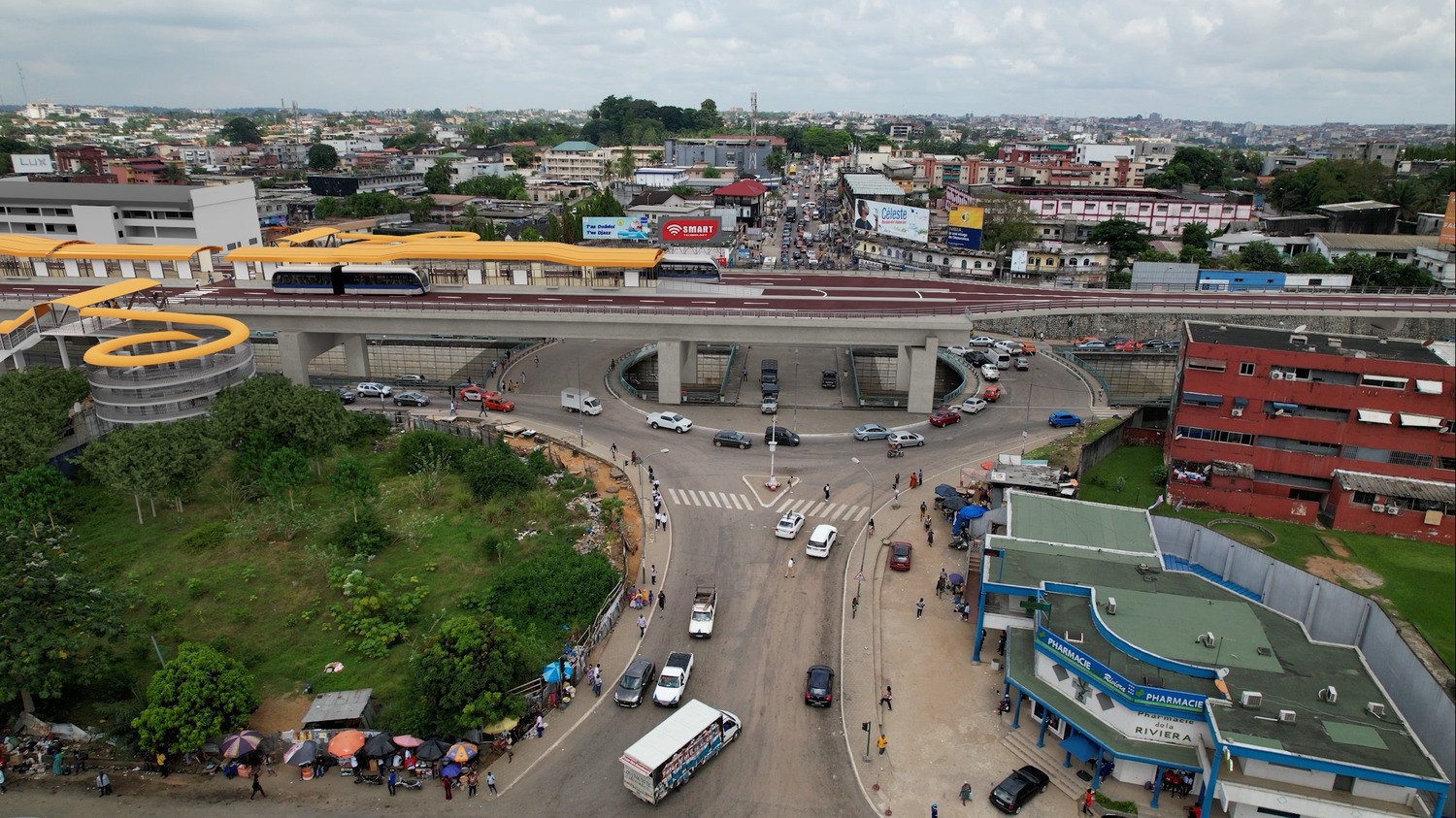
By: Salvatore Birritteri, Vice President, Transit Architecture
When people hear the term Bus Rapid Transit (BRT), the focus is often placed on the vehicles themselves. But the most successful BRT systems are not defined by buses, they are defined by how effectively they connect people, communities and opportunities.
For over two decades, I have contributed to BRT programs across North America, helping agencies transform conventional bus services and launch new transit systems. Examples include the introduction of MAX BRT in Fort Collins, featuring a five mile corridor with 12 new BRT stations, improvements to KCATA’s bus service on State Avenue, including two transit centers and VIVA BRT in York Region, Ontario, which operates in a dedicated right-of-way.
BRT systems are as much about efficient transportation as they are about convenience and a premium rider experience. From accessible station design to transit-oriented development opportunities and operational planning, one lesson remains true — successful BRT requires much more than transportation engineering. It requires a holistic vision.
EXP’s approach is informed by over a century of experience helping communities solve complex infrastructure challenges through integrated planning, architecture, engineering and program delivery services. Today, our transit professionals continue that legacy by supporting transit agencies throughout the full lifecycle of BRT projects, from early planning through implementation and commissioning.
Evolution of BRT
Across North America, transit agencies face increasing pressure to improve mobility while managing constrained budgets, aging infrastructure and rapidly evolving community expectations.
BRT has emerged as an effective solution because it delivers many of the benefits traditionally associated with rail transit, while offering greater flexibility and faster implementation. But that wasn’t always the case.
The first generation of BRT focused heavily on moving buses faster. Today’s systems are expected to deliver something more ambitious — a seamless customer experience that encourages long-term ridership growth and stimulates economic development.
Modern BRT projects must integrate dedicated lanes, transit signal priority, digital technology, accessibility improvements, multimodal connectivity and thoughtfully designed stations that serve as community gateways. EXP’s transportation professionals support the continued growth and evolution of BRT through our multidisciplinary service offerings.
Designing for the passenger experience
Great travel starts with thoughtful station design, making it one of the most important investments a transit agency can make.
Stations represent the face of the system and the first and last touchpoints for riders. They influence how commuters experience transit every day and often determine whether transit is viewed as a last resort or the preferred option.
I have worked on projects ranging from BRT system implementation and station design to multimodal transit centers and regional design guidelines. These experiences reinforced the importance of creating intuitive, safe, accessible and welcoming environments for all users.
Prior to EXP, I had the privilege of directing the architecture and urban design of projects across North America, from Fort Collins to Los Angeles to Kansas City and Colorado. Though each initiative had unique operating characteristics that required thorough evaluation, positive community impact remained the common through-line goal. BRT projects demonstrate how thoughtful station planning can directly influence ridership, community acceptance, local mobility and economic opportunity.
When done right, BRT stations do more than serve buses — they create inclusive spaces for people, strengthen neighborhoods, support growth and encourage transit-oriented development.
A multidisciplinary challenge
One of the most common misconceptions surrounding BRT is that it is primarily a roadway project. In practice, successful BRT implementation requires the coordination of numerous technical disciplines.
Transportation planners evaluate corridor performance and future growth. Traffic engineers assess operational improvements. Architects and urban designers, including myself, design station environments. Civil engineers develop roadway solutions. Technology specialists integrate passenger information systems, communications infrastructure, fare collection systems, security technologies and transit signal priority. And finally, construction professionals help bring these investments into service.
 The EXP difference
EXP’s strength lies in bringing these disciplines together as one integrated team. Our transit professionals routinely support agencies with a variety of services, including transportation planning, roadway design, station architecture, systems engineering, environmental services, program management, commissioning, and operational readiness.
For example, our teams contributed geotechnical, hydrogeological, soil management, environmental engineering, vibration monitoring, pavement evaluation and construction support services to the London Rapid Transit project in Ontario. These preliminary services established a safe infrastructural foundation — the resultant transit system will benefit the city and its people for decades to come.
This integrated approach reduces risk, improves coordination and helps agencies maintain focus on delivering better outcomes for riders.
Technology is reshaping BRT
The future of BRT is increasingly digital.
Real-time travel information is not only provided at stations, but it’s also available on personal devices. Automated fare collection systems provide the same type of conveniences for riders. Connected vehicle technologies, traffic signal priority, intelligent transportation systems and integrated communications networks are now essential components of modern successful BRT transit operations.
Several EXP projects have supported these technology-driven elements, as well as procurement, systems integration, testing, startup and commissioning services. These technologies improve travel times, increase reliability and provide riders with the information they need to travel confidently.
An example from the Ivory Coast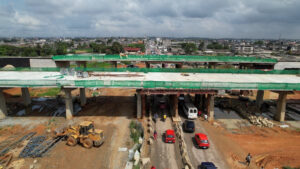
Electrical infrastructure technology has also advanced, as used in the Abidjan BRT project along the Ivory Coast. Our team integrated smart energy monitoring systems and charging stations to forward the energy transition and reduce fossil fuel emissions. These sustainable solutions protect the energy grid, air quality and resources in any given community, while offering a reliable and efficient transit option.
As agencies pursue fleet electrification and smart city initiatives, technology integration will continue to play an even greater role in BRT delivery at EXP.
Next generation of BRT systems
The next generation of BRT systems will be judged by more than travel speeds and operating efficiencies. They will be evaluated on how well they improve quality of life, support economic development, increase accessibility and create sustainable transportation choices.
To achieve those outcomes, agencies need partners with a comprehensive understanding of transit. Our expertise extends beyond transportation infrastructure into architecture, technology, urban design, operations and long-term implementation. We help deliver solutions that connect people to opportunity and strengthen communities.
The future of BRT is bright. And as our cities continue to grow, BRT will remain one of the most powerful tools available to deliver safe, equitable and sustainable mobility for generations to come.
Learn more about our transit services.